You’ll plug the Mata Leon into a standard outlet and use its 700W 304 stainless steel coil to heat charcoal in about 6–10 minutes, depending on size and moisture. The curved, extra‑long neck helps you pile coals around the element so ignition’s consistent, and the nylon handle plus 1.5 m AWG 16 cord keep you a safe distance. It’s cleaner than fluid lighters but needs power; keep going to see detailed performance, safety, and alternatives.
Some Key Takeaways
- Mata Leon uses a 700W 304 stainless steel coil to reliably ignite briquettes and lump charcoal in about 6–10 minutes.
- Curved, extra-long neck and 1.5 m AWG 16 cord let you position the starter safely in deep grill grates.
- Coil must be fully enveloped by coals for fastest ignition; damp or very dense lump charcoal increases time.
- Nylon handle stays cool for safe removal; welding and stainless coils indicate durable construction with basic care.
- Pros: clean, predictable starts and energy-efficient versus chimneys; cons: requires power and less portable than fluid lighters.
How the Mata Leon Electric Charcoal Starter Works and What’s in the Box
The Mata Leon electric charcoal starter plugs into a standard outlet and uses a 700W 304 stainless steel coil to heat lump charcoal or briquettes quickly—just pile the coals around the curved, extra‑long neck so the coils are covered, plug in, and wait 6–10 minutes. You’ll find straightforward packing contents: starter with curved neck, nylon handle, and a 1.5 m AWG 16 cable plus basic instructions. Coil placement determines ignition efficiency, so you’ll position coals to fully envelop the element. You’ll appreciate the predictable, low‑fuss setup that fits into your group’s shared routines and gear. This tool is a practical addition for enthusiasts interested in mastering charcoal chimneys and improving grilling consistency with charcoal-chimney techniques.
Performance Test: Ignition Speed, Fuel Types, and Real-World Results
Having covered how the Mata Leon starter is set up and used, we now test how quickly it ignites different fuels and how that performance holds up in real-world scenarios. You’ll find ignition consistency strong with briquettes and lump coal at 6–10 minutes; larger, denser lumps take longer. Coal moisture mattered most—damp pieces delayed ignition markedly. In mild outdoor conditions the starter reached reliable glow quickly; windy, wet weather slowed results and required repositioning. Repeated use showed no noticeable drop in starter lifespan across routine sessions, though heavy outdoor exposure suggests you’ll want basic care to maintain performance. For best results when grilling, follow basic fire starting practices to protect your gear and speed ignition.
Design, Safety, and Handling: Neck, Handle, Cord, and Build Quality
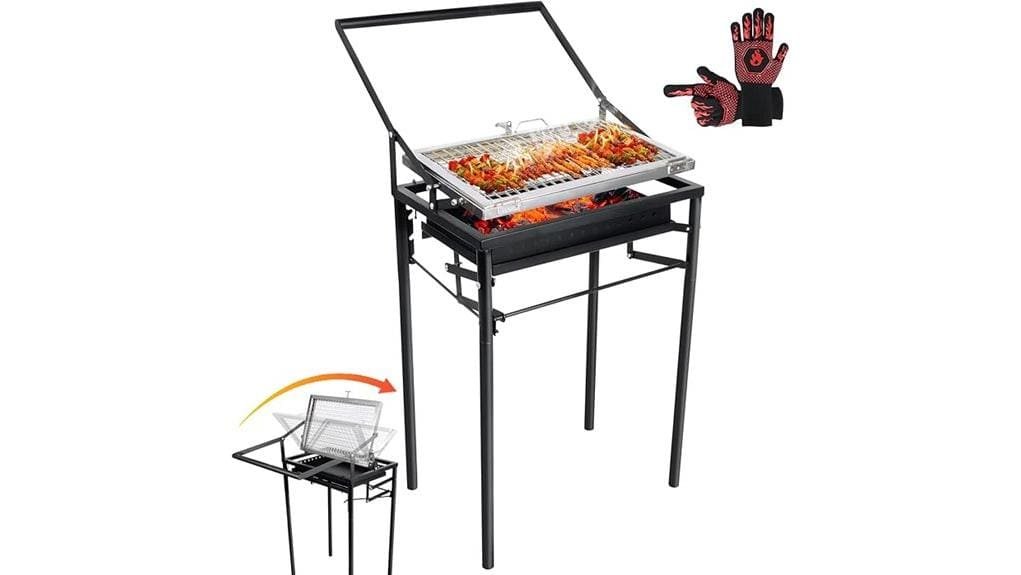
Because you’ll be handling the starter near hot coals, its curved, extra-long neck, nylon handle, and heavy-duty cord matter for both reach and safety. You’ll appreciate the neck’s sweep for deep grates and the 1.5 m AWG 16 cord that keeps you back from heat. The nylon handle provides an ergonomic grip and stays cool enough for removal after ignition. The 304 stainless longevity of the coils and visible welds suggest durable construction; inspect for secure joints before use. Overall build balances reach, insulated handling, and robust materials so you and your group can rely on consistent, safe starts. For added protection while grilling, consider using grill gloves to protect your hands from heat and sparks.
Pros, Cons, and When to Choose This Instead of a Chimney or Fluid Lighter
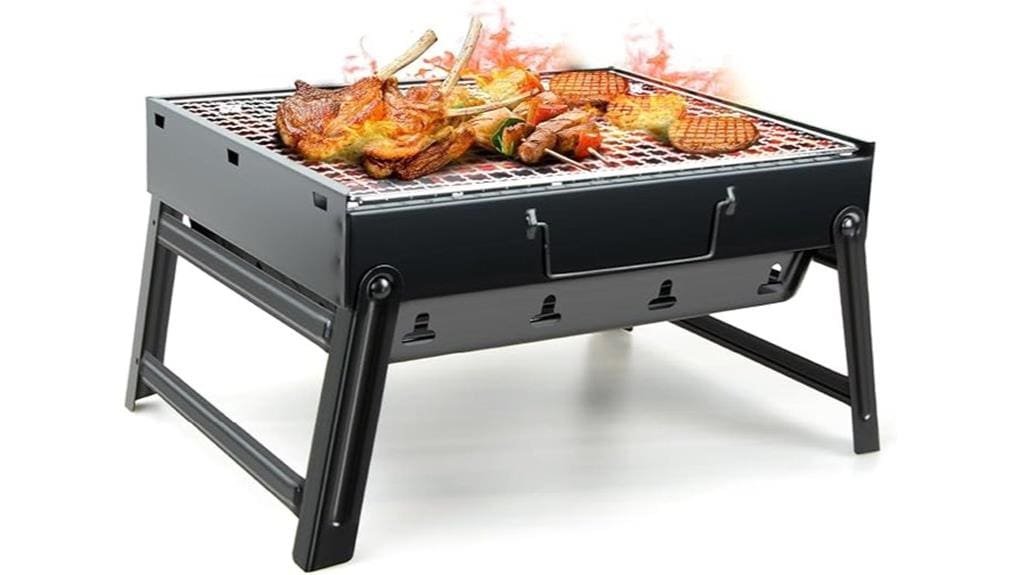
Moving from build and handling, consider how this electric starter stacks up against chimneys and fluid lighters in everyday use. You get fast, predictable ignition with 700W coils, better energy efficiency than prolonged chimney use, and user convenience without fumes. It’s cleaner for food and indoor tasks, and safer around groups who want reliable results. Downsides: you need power, a cord, and time to wait 6–10 minutes; it’s less portable than a fluid lighter for remote camping. Choose this when you value consistent, clean starts at home or campsite with access to electricity and a preference for communal, fuss-free grilling. For backyard grillers who prioritize convenience and reliability, an electric starter pairs well with a range of portable gas and charcoal grills made for outdoor cooking.
Buying Guide: Who This Starter Is Best For, Price Considerations, and Alternatives
If you grill or heat regularly and can plug in near your setup, this electric starter gives consistent, fast ignitions without fuel odors or messy ash; it’s ideal for homeowners, backyard hosts, and RVers who prioritize cleaner food flavor and predictable starts. You’ll appreciate low maintenance, safety, and faster heat-up versus chimneys or fluid lighters. Consider budget considerations: initial cost vs. recurring lighter fuel and time savings. If you lack power access, assess alternative accessories like chimney starters, propane lighters, or coal baskets. Choose based on convenience, frequency, and community needs—you’ll fit this tool into routines that value reliability. Portable charcoal grills often benefit from compact accessories that enhance mobility and storage, like compact carrying cases, which keep gear organized and protected.
Some Questions Answered
Can I Use the Starter With Natural Gas or Propane Grills?
No, you shouldn’t use it with natural gas or propane grills; it’s designed for coal ignition and not for vent free compatibility with gas systems. You’ll protect ignition safety by avoiding placement near burners, control knobs, or enclosed vent-free appliances. Use this starter only on coals, wood, or approved fireboxes. If you need to light a gas grill, follow the grill maker’s instructions or use the grill’s built-in ignition system for safe operation.
Is the Device Safe to Use in Wet or Rainy Conditions?
No — you shouldn’t use it in wet or rainy conditions. The device isn’t designed as waterproof; it relies on electrical insulation and intact wiring, but water resistance is limited. Using it while wet risks short circuits, shocks, or damage to the 700W element and cable. You should keep it dry, unplug before storing, and avoid puddles. Treat it like other powered tools so your group stays safe and included in best practices.
What Is the Expected Lifespan of the Heating Coils?
You can expect coil durability of roughly 2–5 years with typical use; heavy or commercial use shortens that. Inspect coils every 6–12 months as part of a replacement schedule and after any signs of oxidation, warping, or reduced heating performance. You’ll want to replace the element when output drops noticeably or damage appears. Treat the tool gently, store it dry, and you’ll keep it reliable while you and your group share grilling time.
Does the Starter Have a Warranty or Customer Support Contact?
Yes — the product typically includes a warranty; confirm the exact warranty duration with your seller or retailer. If you need help, contact customer support via the vendor’s listed support contact (email or phone) or the marketplace messaging system you used to buy it. You’ll want to save your receipt and note coil lifespan details when you reach out. That way you’ll get prompt, clear resolution and feel backed by reliable service.
Can the Cord Be Replaced if Damaged?
Yes — you can replace the cord if it’s damaged, but you’ll want to weigh replacement options carefully. You can pursue manufacturer-supported replacement or professional service for safety and warranty preservation; DIY repair is possible only if you’re experienced with AWG 16 wiring and use heat-resistant, rated components. Follow instructions, unplug before work, and keep community safety norms in mind. If unsure, choose certified repair to stay protected.