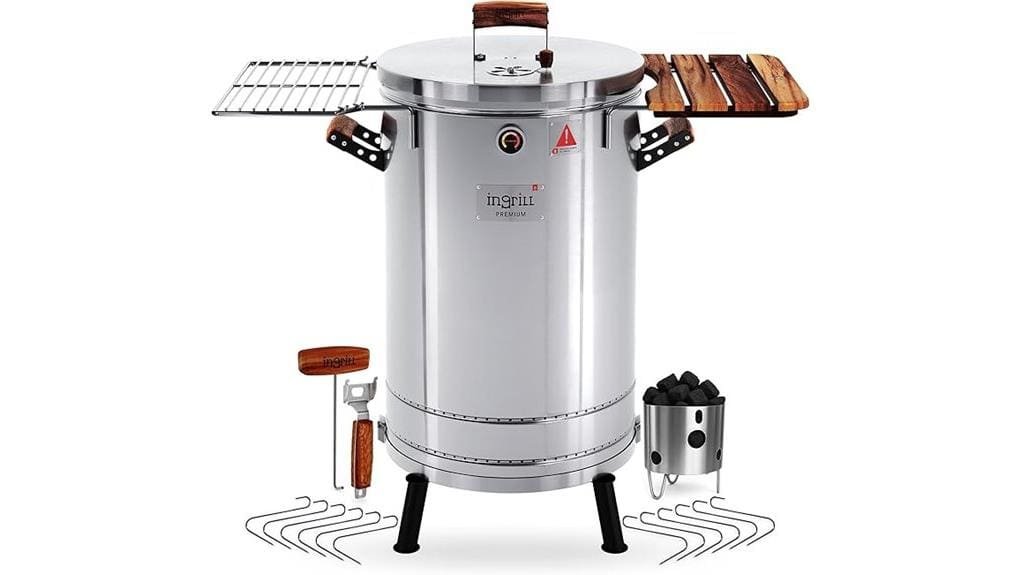
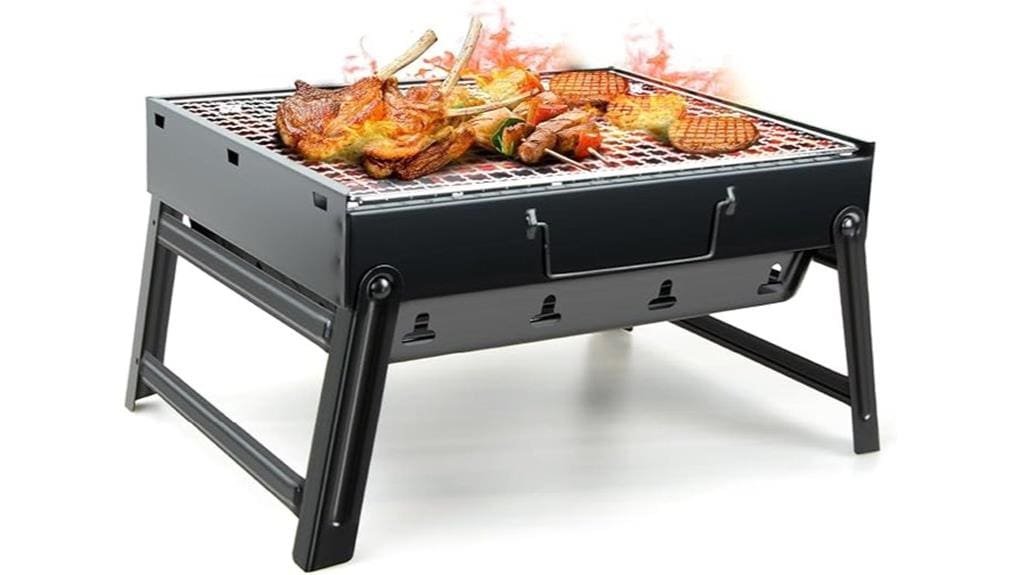
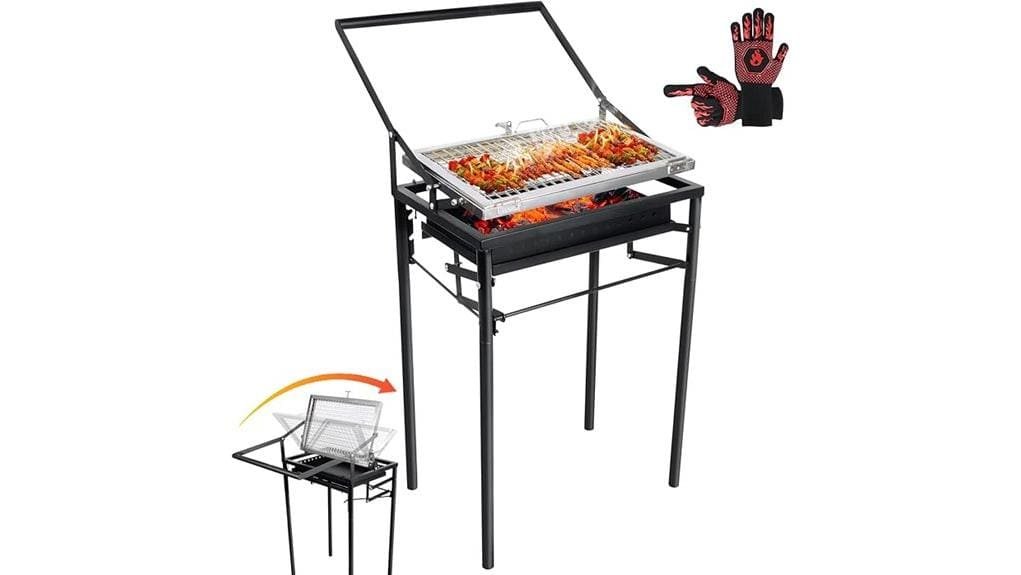
You’ll want a portable propane stove that matches how and where you cook: single burners for solo trips and small counters, doubles for backyard searing or teppanyaki, and stands (small or large) for mobility and stability. Check BTUs, burn rate, regulator and O‑ring fit, leak tests, and flame‑failure features. Cast‑iron burners handle high heat and heavy pans; lighter stands speed setup. Keep spare tanks for long outings—scroll on to see model examples, tips, and fuel math.
Some Key Takeaways
- Choose single or double burners based on cooking volume: single for solo/travel, double for parties and simultaneous sear/simmer.
- Prioritize BTU and boil-time performance for your tasks: high BTU for rapid searing, lower sustained heat for simmering sauces.
- Opt for cast-iron burners or heavy-duty grates for durability, even heat, and stable cookware support.
- Verify regulator, O-ring, and hose compatibility; perform a soapy-water leak test before use.
- Prefer models with pressure gauges and flame-failure/auto-shutoff for safer indoor and outdoor operation.
Which Portable Propane Stove Fits Your Use Case?
Wondering which portable propane stove fits your needs? You’ll pick by matching model to life: single burner for solo camping or compact countertop use; double burners for backyard barbecues and tailgate parties where you want simultaneous sear and simmer. Choose small stand for easy trunk storage; large stand if you want a stable cook station at remote spots. Look for cast iron construction and a compact footprint so you can toss it in the car and go. Confirm it includes a thick rubber hose, secure fittings, and an adjustable regulator knob so you control heat safely and reliably. Also consider essential accessories like a portable grill cover to protect your stove and make transport easier.
How Much Heat and Fuel Performance Do You Really Need?
Start by matching heat output to what you’ll actually cook and how fast you need to get there: high-BTU burners (75,000 single, 150,000 double) give rapid searing and boiling for big pans or group meals, while lower sustained heat is better for simmering sauces or delicate tasks. You’re free to prioritize speed or control: use BTU calculations to estimate required power and check boil times in real conditions. Fuel efficiency matters for long trips—compare fuel capacity and real burn rates. Plan fuel swaps and carry spare tanks if you need extended run time. Choose based on dishes, group size, and range of use. Also consider the right fuel type for the appliance and conditions, such as butane canisters for many portable outdoor cooking setups.
Build, Portability, and Setup: Choosing Between Cast‑Iron Burners and Stands
When you’re choosing between a cast‑iron burner and a stand, think about how you’ll move, store, and set up the stove: cast‑iron burners give you a heavy, durable heat source that holds cookware steady and tolerates high temperatures, while stands (small or large) trade some mass for easier transport and quicker setup on uneven ground or a countertop. You’ll want cast iron durability if you run high BTU cooking, use teppanyaki, or store the unit long-term. Opt for small or large stands with quick fold legs when you crave mobility, fast setup, and flexible placement on adventures. Consider the propane supply and hose compatibility for safe use with portable stoves and grills, especially when connecting to RV systems with propane hoses.
Safety and Control Features to Check Before You Buy or Use One?
After you’ve picked the burner or stand that fits your cooking style and transport needs, check the stove’s safety and control features before you hook it up or fire it up. Inspect the regulator lock and O-ring, tighten connections, and run a simple leak detection with soapy water—bubbles mean no-go. Prefer models with a built-in pressure gauge so you can monitor tank output while cooking. Choose a unit with a flame failure or auto-shutoff mechanism to stop gas if the flame drops. Test the adjustable regulator knob for smooth, responsive heat control. These checks keep you mobile and safe. Consider also matching your stove to the correct propane tank size for safer, more efficient outdoor cooking.
Best Picks by Scenario and Budget (Camping, Teppanyaki/Home, Emergency, Commercial)
Pick the right model for the job: go with the single-burner on a small stand for solo camping and fishing trips, the double-burner on a large stand for teppanyaki or backyard cooking, the countertop or heavy-duty double for small commercial use, and a sturdy single or double with a reliable regulator and O-ring for emergency kits. For freedom-minded cooks, choose portable cast iron burners that fit your trunk. Budget picks include simple single burners with a premium rubber hose and heat-adjustable regulator. Luxury options offer higher BTU doubles, robust construction and pro-grade controls—ideal for frequent teppanyaki, catering or long-term preparedness. Compact propane grills and accessories are available from specialty retailers focused on portable outdoor cooking equipment.
Some Questions Answered
Do Replacement Parts (Burners, Knobs, Regulators) Come Separately Available?
Yes — spare components like burners, knobs and regulators are usually available separately. You’ll check part sourcing with the manufacturer for OEM vs aftermarket options and confirm manufacturer compatibility. Third‑party and aftermarket parts broaden choices; repair tutorials help you swap parts confidently. Expect availability timelines to vary by seller; if you want freedom, compare OEM vs aftermarket for fit, price and safety before ordering replacement parts.
Can These Stoves Run on Disposable Propane Cylinders Safely?
Yes — you can use disposable propane cylinders with these stoves if you use proper cylinder adapters and follow safety regulations. You’ll attach the premium hose and regulator, confirm the O-ring seal, and tighten connections. Don’t jury‑rig fittings; use approved adapters rated for high pressure. Keep ventilation, watch for leaks, and store spares safely. If you want freedom to roam, prioritize certified components and common‑sense safety every time.
Are There Recommended Cleaning Products for Cast‑Iron Burners?
Yes — use mild dish soap sparingly, a stiff brush, and hot water; avoid harsh detergents or soaking. After cleaning, dry immediately and apply a thin coat of food‑grade oil while warm for cast iron maintenance. For seasonal reseasoning, scrub with coarse salt and oil, then bake upside down at 375°F for an hour. Store dry with a paper towel to absorb moisture. You’ll keep burners reliable and rust‑free.
Do Any Models Include an Integrated Windscreen or Windshield Option?
No, none of the models include an integrated windscreen, but you can fit a detachable windshield for wind protection. You’ll attach a portable, foldable windshield around the burner when needed, improving flame stability and fuel efficiency. Choose a detachable windshield sized for your single or double burner or the stand models. You’ll set it up quickly, stow it in your trunk, and enjoy more reliable cooking freedom in breezy conditions.
What Warranty and Customer Support Options Are Offered?
You get a limited warranty covering defects for a set period, and phone support for setup and troubleshooting. You’ll register your purchase to activate the warranty, keep receipts, and follow care instructions to avoid voiding coverage. Phone support helps with parts, regulator/o‑ring issues, and safety questions. If needed, they’ll guide repairs or replacements per warranty terms so you can stay mobile and cook without being tied down.